Xiaomi 17 Ultra
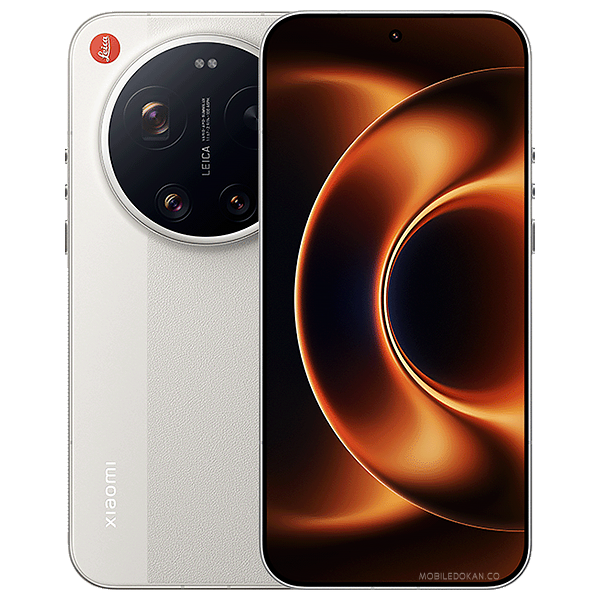
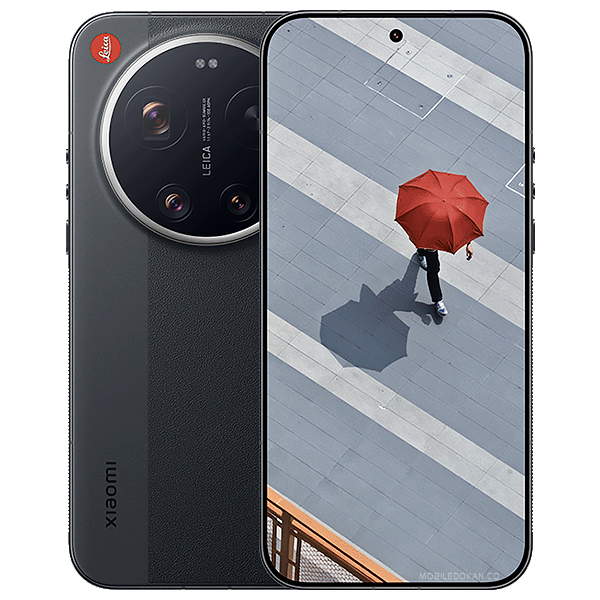
Pro and cons
Pros
- IP68/IP69 with Aluminum alloy frame.
- LTPO AMOLED display, 120Hz refresh, HDR10+.
- Snapdragon 8 Elite Gen 5 chipset, 16GB RAM.
- Triple Rear camera with 200MP, 50MP selfie.
- 6000mAh battery with 90W wired charging.
Cons
- FM radio is unavailable.
- No 3.5mm headphone jack.
Specifications
Prices
| Expected price The expected price represents the anticipated cost of a product converted from major currencies like the Dollar, Euro, Yuan, and Rupee. | ৳2,20,000 |
Launch
| Announced | 2026, February 28 |
| Status | Available. Released 2026, March 10 |
Network
| Technology | GSM / HSPA / LTE / 5G |
| 2G bands It’s the 2nd generation mobile data communication technology. | GSM 850 / 900 / 1800 / 1900 |
| 3G bands It is the 3rd generation mobile data communication technology. | HSDPA 800 / 850 / 900 / 1700(AWS) / 1800 / 1900 / 2100 |
| 4G bands It is the 4th generation mobile data communication technology. | 1, 2, 3, 4, 5, 7, 8, 12, 13, 17, 18, 19, 20, 25, 26, 28, 32, 38, 39, 40, 41, 42, 48, 66, 71 |
| 5G bands | 1, 2, 3, 5, 7, 8, 12, 20, 25, 26, 28, 38, 40, 41, 48, 66, 71, 75, 77, 78, 79 SA/NSA |
| Speed | HSPA, LTE, 5G |
Body
| Dimensions It's the size of the phone in format (H x L x W) and the volume of the phone where available. | 162.9 x 77.6 x 8.3 mm (6.41 x 3.06 x 0.33 in) |
| Weight | 218.4 g (7.69 oz) |
| Build Describes the construction materials, methods and finishes used by the manufacturer when building a phone. | Glass front, fiber-reinforced plastic back / silicone polymer back (eco leather), aluminum alloy frame |
| SIM SIM (Subscriber Identity Module) is a small card that contains a mobile network subscriber's account information. This allows the phone to use the card to attach to a mobile network. The SIM card is most commonly associated with GSM and UMTS mobile networks. Moving a SIM card from one phone to another allows a subscriber to switch mobile phones without having to contact their mobile network carrier. SIM cards can also be used by a phone to store limited amounts of data, such as phone numbers and text messages. | Nano-SIM + Nano-SIM + eSIM + eSIM (max 2 at a time) |
| Others | IP68/IP69 dust tight and water resistant (high pressure water jets; immersible up to 6m for 30 min) Aerospace-grade glass fiber |
Display
| Type A number of display technologies and types used in mobile phones TFT (Thin Film Transistor), IPS (In-Place Switching), OLED (Organic Light Emitting Diode), AMOLED (Active-Matrix Organic Light-Emitting Diode), Super AMOLED (an even advanced version of AMOLED), Resistive Touchscreen (Resistive touchscreens contain two-layer of conductive material with a very small gap between them which acts as a resistance), Capacitive Touchscreen (Capacitive touchscreen technology consists of a layer of glass coated with a transparent conductor) | LTPO AMOLED, 68B colors, 120Hz, 2160Hz PWM, Dolby Vision, HDR10+, 3500 nits (peak) |
| Size The industry-standard way of representing display sizes is publishing their length in inches. The screen-to-body ratio is a measure that relates to the size of the screen bezels. The bigger the ratio, the smaller the bezels are, meaning the display takes up a larger area on the device's front. | 6.9 inches, 116.6 cm2 (~92.3% screen-to-body ratio) |
| Resolution Display Resolution is the measuring way of how much pixels does a display contains. A higher resolution means more pixels and more pixels provide the ability to display more visual information (resulting in greater clarity and more detail). | 1200 x 2608 pixels, 19.5:9 ratio (~416 ppi density) |
| Protection | Xiaomi Shield Glass 3.0 |
Platform
| OS Every Mobile Phone system runs on a base software called Operating System (OS). Operating System controls all basic operations of the Mobile (such as smartphones, PDAs, tablet computers, and other handheld devices). The Operating System allows the user to install and run third party applications (apps), apps are used to add new functionality to the device. | Android 16, HyperOS 3 |
| Chipset It is a group of integrated circuits designed to perform one or more dedicated functions, often with real-time computing constraints, Popular smartphones are equipped with more advanced embedded chipsets that can do many different tasks depending on their programming. | Qualcomm SM8850-AC Snapdragon 8 Elite Gen 5 (3 nm) |
| CPU CPU (Central Processing Unit) mostly known as processors, CPU processes instructions in order to carry out certain functions that make your device operate properly. Processors are often described as the brain of computers, smartphones and tablets, Smartphones and tablets rely on processors to carry out their every task, Processors are an incredibly important factor in selecting any type of computing device, including your smartphone. | Octa-core (2x4.6 GHz Oryon V3 Phoenix L + 6x3.62 GHz Oryon V3 Phoenix M) |
| GPU GPU (Graphics Processing Unit) is a single-chip processor designed to rapidly manipulate and alter memory to accelerate the creation of images in a frame buffer intended for output to a display, This includes things such as lighting effects, object transformations, and 3D motion. | Adreno 840 |
Memory
| Card slot A special slot for inserting a memory card for expanding your storage. It is a special slot for inserting a memory card. Memory cards allow you to expand the phone's built-in memory, A memory card (sometimes called a flash memory card or a storage card) is a small storage medium used to store data such as text, pictures, audio, and video, for use on small, portable or remote computing devices such as mobile phones, mp3 players, digital cameras. | No |
| Internal Internal memory is the memory available onboard (chip or motherboard) which is given while manufacturing at the factory. is a data storage space (flash memory) mostly used in smartphones, tablets, and other electronic devices where operating system, apps, music, photos, videos, files, and other user data Is stored. | 512GB / 1 TB UFS 4.1 |
| RAM RAM (Random Access Memory) is a type of mobile, computer memory that can be accessed randomly, any byte of memory can be accessed without touching the preceding bytes that allow information to be stored and accessed quickly from random locations. RAM is the most common type of memory found in computer systems, smartphones, tablets, and other electronic devices. | 16 GB |
| Variant | 16GB 512GB / 16GB 1TB |
Main camera
| Triple | 50 MP, f/1.7, 23mm (wide), 1.0"-type, 1.6µm, dual pixel PDAF, OIS 200 MP, f/2.4-3.0, 75-100mm (periscope telephoto), 1/1.4", 0.56µm, multi-directional PDAF (30cm - ∞), OIS, 3.2-4.3x continuous optical zoom, zoom ring 50 MP, f/2.2, 14mm, 115˚ (ultrawide), 1/2.76", 0.64µm, dual pixel PDAF TOF 3D, (depth) |
| Features | Laser AF, color spectrum sensor, Leica lenses, Dual-LED flash, HDR, panorama |
| Video | 8K@30fps, 4K@30/60/120fps, 1080p@30/60/120/240/480/960/1920fps, gyro-EIS, Dolby Vision HDR 10-bit rec. (4K@60fps, 1080p) |
Selfie camera
| Single | 50 MP, f/2.2, 21mm (wide), 1/2.7", 0.61µm, AF |
| Features | HDR, panorama |
| Video | 4K@30/60fps, 1080p@30/60fps, gyro-EIS |
Sound
| Loudspeaker Loudspeaker is a small sound driver fitted within a mobile phone, which is used to produce sound. | Yes, with stereo speakers |
| 3.5mm jack A common connector for plugging in audio output or input. | No 24-bit/192kHz Hi-Res & Hi-Res Wireless audio |
Connectivity
| WLAN Wireless Local Area Network (WLAN) is a method of distributing data wirelessly to a local area network practically to the internet. It is a popular wireless networking technology using radio waves to provide high-speed network connections that allow devices to communicate without cords or cables, Wi-Fi is increasingly becoming the preferred mode of internet connectivity all over the world. | Wi-Fi 802.11 a/b/g/n/ac/6e/7, dual-band or tri-band, Wi-Fi Direct |
| Bluetooth Bluetooth is a wireless technology standard for exchanging data over short distances from fixed and mobile devices. It is a wireless communications technology for exchanging data between mobile phones, headsets, computers, and other network devices over short distances without wires, Bluetooth technology was primarily designed to support simple wireless networking of personal consumer devices. | 6.0, A2DP, LE, aptX HD, aptX Adaptive, LHDC 5, MIHC |
| GPS GPS (Global Positioning System) originally Navstar GPS, is a satellite-based radio navigation system. It is a satellite-based radio navigation system, GPS permits users to determine their position, velocity, and the time 24 hours a day, in all weather, anywhere in the world, In order to locate your position, your device or GPS receiver must have a clear view of the sky. | GPS (L1+L5), BDS (B1I+B1c+B2a), GALILEO (E1+E5a), QZSS (L1+L5), NavIC (L5), GLONASS |
| NFC NFC (Near Field Communication) is a shorter range of high-frequency data transferring technology. It is a set of standards for smartphones and similar devices to establish peer-to-peer radio communications with each other by touching them together or bringing them into proximity, usually no more than a few inches. | Yes |
| FM radio FM broadcasting is a method of radio broadcasting using frequency modulation technology. | No |
| USB USB is a standard for a wired connection between two electronic devices, including a mobile phone and a desktop computer. | USB Type-C 3.2 Gen 2, DisplayPort, OTG |
| Infrared port IrDA (Infrared Data Association) is an old data sharing technology in the means of Infrared Port. It uses a beam of infrared light to transmit information and so requires a direct line of sight and operates only at close range. |
Features
| Sensors A sensor is a device, module, or subsystem whose purpose is to detect events or changes in its environment and send the information to other electronics. The specific input could be light, heat, motion, moisture, pressure, and location, The output is generally a signal that is converted to use in computing systems, a location sensor, such as a GPS receiver is able to detect the current location of your electronic device. | Fingerprint (under display, ultrasonic), accelerometer, proximity, gyro, compass, barometer |
Battery
| Type Cell phones run on various kinds of batteries depending on the manufacturer, phone size or shape, and features. There are basically four types of cell phone batteries Lithium Polymer (Li-Po), Lithium-Ion (Li-Ion), Nickel Metal Hydride, and Nickel Cadmium. | Non-removable Si/C Li-Ion |
| Capacity The unit of capacity is milliamp-hours (mAh), which means 3000mAh can be put on the battery to discharge it in one hour. The battery capacity represents the maximum amount of energy that can be extracted from the battery under certain conditions. | 6000 mAh |
| Charging | 90W wired, 90W PPS, PD3.0, QC3+ 50W wireless 22.5W reverse wired 10W reverse wireless |
More
| Made by | China |
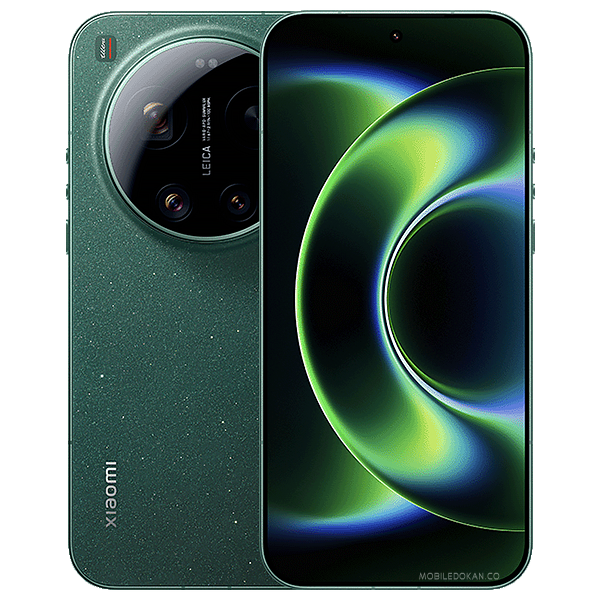
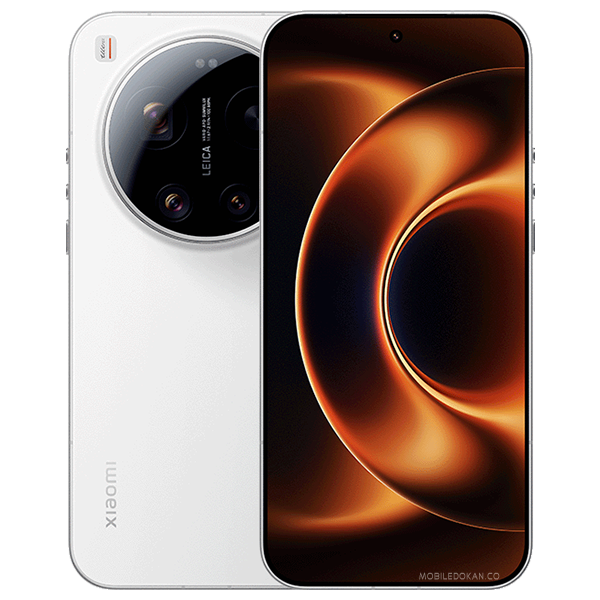
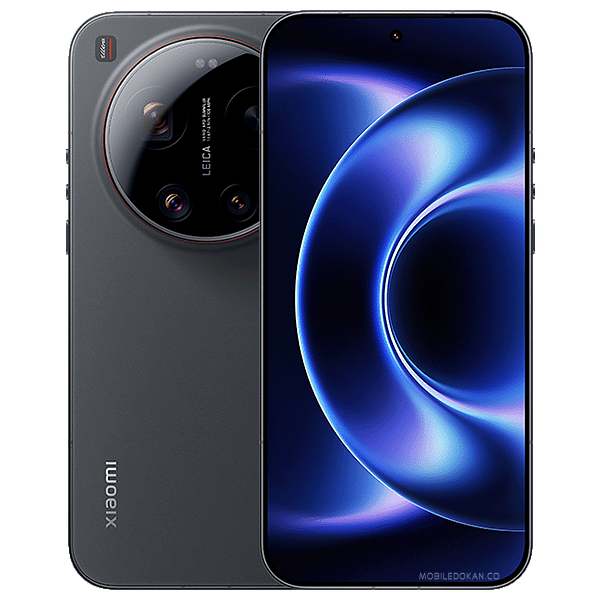
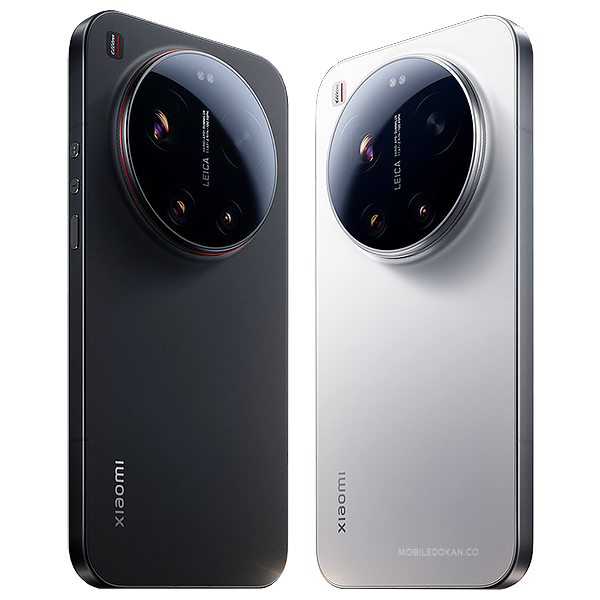
| Color | Black, White, Starlit Green |
| Models | 25128PNA1G, 2512BPNDAG |
Disclaimer
We do not guarantee that the information of this page is 100% accurate and up to date.
Xiaomi 17 Ultra Price in Bangladesh March 2026
| Model | Xiaomi 17 Ultra |
| Price | BDT. 2,20,000 |
| Display | 6.9″ 1200×2608 pixels |
| RAM | 16 GB |
| ROM | 512GB/1TB |
| Released | 2026, March |
Your question and opinion about the 17 Ultra
It will launch in March 2026.
The price of the Xiaomi 17 Ultra is BDT. 2,20,000.
It has one variants of 16GB in RAM and three variants of 512GB/1TB in ROM. Overall, the market has two variants (512GB/16GB, and 1TB/16GB).
It has a 6.9″ LTPO AMOLED Display panel with 1200 x 2608 pixels resolution.
It contains Qualcomm SM8850-AC Snapdragon 8 Elite Gen 5 (3 nm) chipset and Android 16. It has an Octa-core (2×4.6 GHz Oryon V3 Phoenix L + 6×3.62 GHz Oryon V3 Phoenix M) CPU.
The triple-camera setup on the back is 50MP + 200MP + 50MP, and the selfie camera is 50MP. The video recording capability is 8K@30fps, 4K@30/60/120fps, 1080p@30/60/120/240/480/960/1920fps, gyro-EIS, Dolby Vision HDR 10-bit rec. (4K@60fps, 1080p).
It supports a 5G network with 2G / 3G / 4G.
The battery capacity is 6000 mAh, with 90W fast charging.
Fingerprint, accelerometer, proximity, gyro, compass, barometer.
Xiaomi manufactured it, and this phone is made in China.