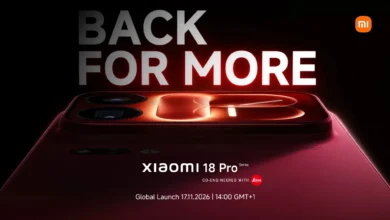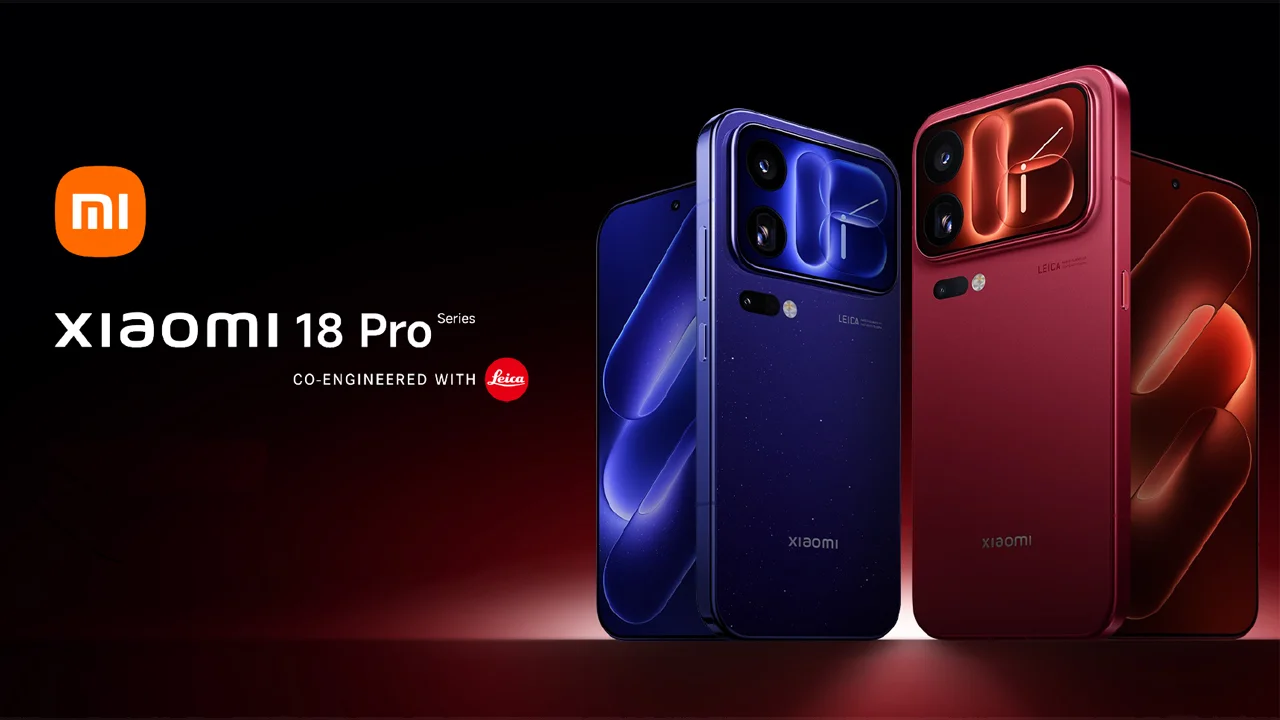
Xiaomi has officially launched the Xiaomi 18 Pro and Xiaomi 18 Pro Max in the global market, bringing its rear-display flagship smartphones to international buyers for the first time in five years. The flagship Pro series arrives globally with a similar design and specs, except for a downgraded battery compared to its Chinese counterparts. Key highlights in the Xiaomi 18 Pro series include: secondary displays on the rear camera module, 200MP main and telephoto cameras, and 2nm Snapdragon 8 Elite Extreme Gen 6 chipsets.
Xiaomi first introduced a rear display with the Mi 11 Ultra in 2021 and later revived the concept with the Xiaomi 17 Pro series, but those models remained exclusive to China. With the Xiaomi 18 Pro lineup, the company is finally bringing this design to global markets.
Xiaomi 18 Pro design
The Xiaomi 18 Pro features a 6.4-inch flat OLED display with a resolution of 2436 × 1120 pixels and a pixel density of 419 PPI. Meanwhile, the Pro Max gets a larger 6.9-inch display with a 2624 × 1208 pixel resolution. Both phones use Xiaomi-custom TCL M11 HyperRGB 2.0 panels with a 1-120Hz LTPO refresh rate and up to 4,000 nits of peak brightness. They also support the BT.2020 color gamut and come with Xiaomi Shield Glass 3.0 protection. Xiaomi has used LIPO packaging technology to keep the bezels as slim as 0.99mm.

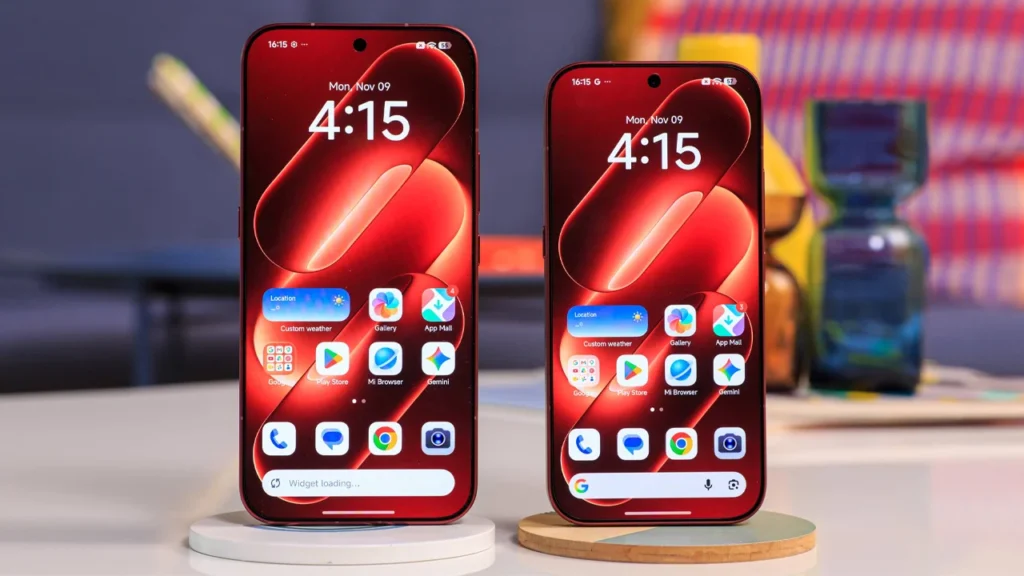
Another major display feature is Privacy Display, which limits screen visibility from side angles. Users can enable or disable this hardware-level feature and customise its behaviour for notifications, floating windows, and split-screen apps. The Privacy Notice feature uses the front camera’s always-on owner recognition to detect when someone else looks at the screen. It can alert users through Xiaomi HyperIsland or vibration.
In terms of design, the Xiaomi 18 Pro measures 8.46mm in thickness and weighs 198 grams in White, Black, and Velvet Red. The Cosmic Blue version is slightly thicker at 8.56mm and weighs 203 grams. On the other hand, the Xiaomi 18 Pro Max measures 8.39mm and weighs 229 grams in the White, Black, and Velvet Red colours. Its Cosmic Blue variant measures 8.47mm and weighs 234 grams. Both phones feature a micro-curved aluminium frame, an under-glass deco design, and Xiaomi’s Golden Arc design language.
LTPO AMOLED secondary display
The rear display remains the biggest highlight of both smartphones. The Xiaomi 18 Pro features a 2.7-inch LTPO AMOLED secondary display, while the Pro Max gets a slightly larger 2.9-inch panel. Both support a 1-120Hz refresh rate and offer up to 4,000 nits of peak brightness. The displays also come with Gorilla Glass Victus 2 protection, while the Pro’s rear screen offers a pixel density of 400 PPI.
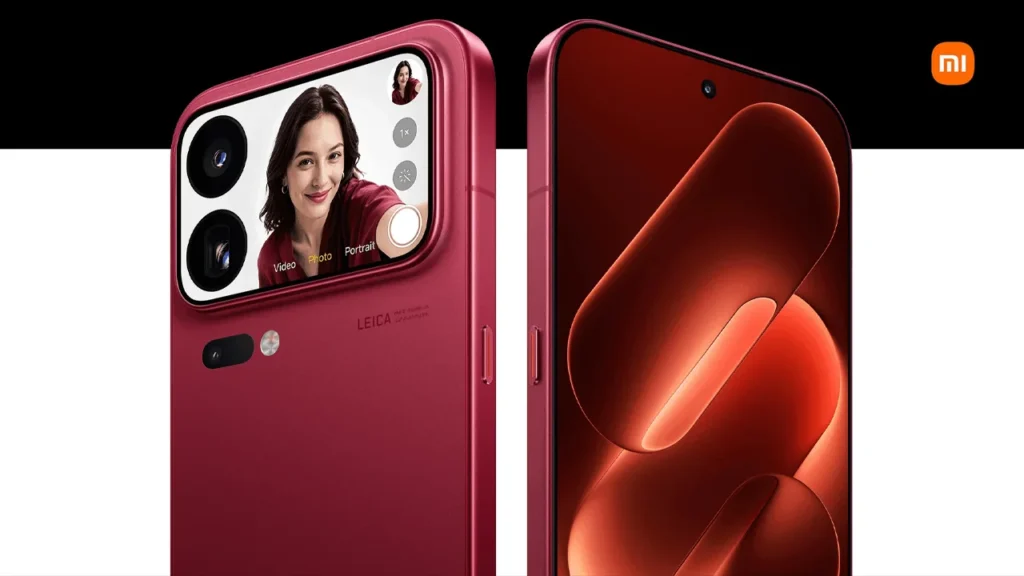
Users can check notifications, live activities, and productivity tools directly from the rear display. They can also pin text or images to the screen through the share menu. Another useful feature is the ability to use the rear screen as a viewfinder when capturing selfies, group photos, and vlogs with the main cameras. An open-palm gesture starts the capture countdown. Both phones also support dual-view video recording in 8K at 30fps with Dolby Vision, and the camera can automatically switch to the ultra-wide sensor for group photos.
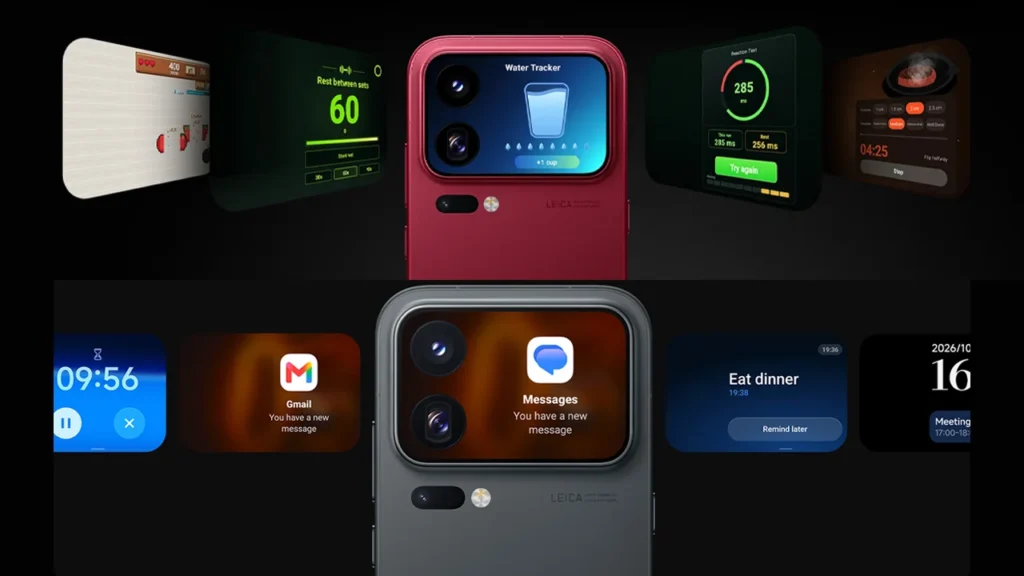
Xiaomi has also introduced GenAI Apps for the rear display. Users can enter a text prompt, and the phone generates small interactive apps designed for the secondary screen. These include a compliment generator, reaction-time test, coin flip, fortune cookie, and mini-games such as pixel fruit slicing and a gravity-ball maze. AI Wallpapers and AI Group Photo features will arrive through an OTA update starting December 2026, although some AI generation features come with monthly usage limits.
Performance and OS
The Xiaomi 18 Pro and 18 Pro Max use different processors from Qualcomm’s latest 2nm Snapdragon lineup. The standard Pro is powered by the Snapdragon 8 Elite Gen 6, while the Pro Max gets the more powerful Snapdragon 8 Elite Extreme Gen 6 chipset.
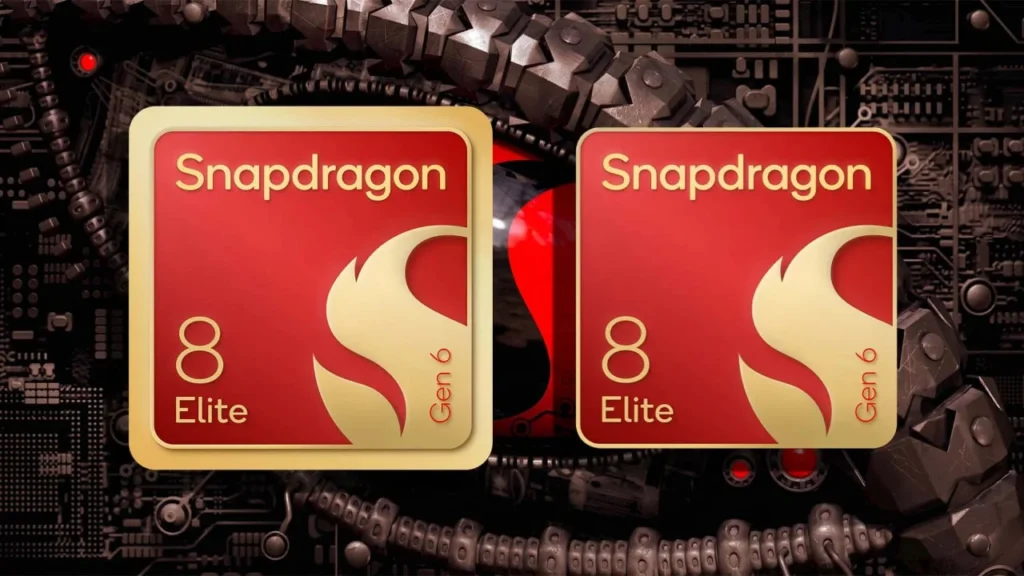
According to Qualcomm’s figures cited by Xiaomi, the Snapdragon 8 Elite Gen 6 offers 10% better CPU performance, 35% higher GPU performance, and 14% better NPU performance compared to its predecessor. The company also claims improvements of 37% in CPU efficiency and 40% in GPU efficiency. TSMC’s data indicates that the new manufacturing process offers 15% higher chip density compared to its N3E process.
Both smartphones use LPDDR5X RAM and UFS 4.1 storage. The Xiaomi 18 Pro comes with up to 12GB RAM and 512GB internal storage, while the Pro Max offers up to 16GB RAM and 1TB storage. For thermal management, the standard Pro uses Xiaomi’s 3D IceLoop cooling system with a microporous copper-foil structure and a 4,355 mm² cooling area. The Pro Max gets a larger 5,513 mm² vapour chamber cooling system.
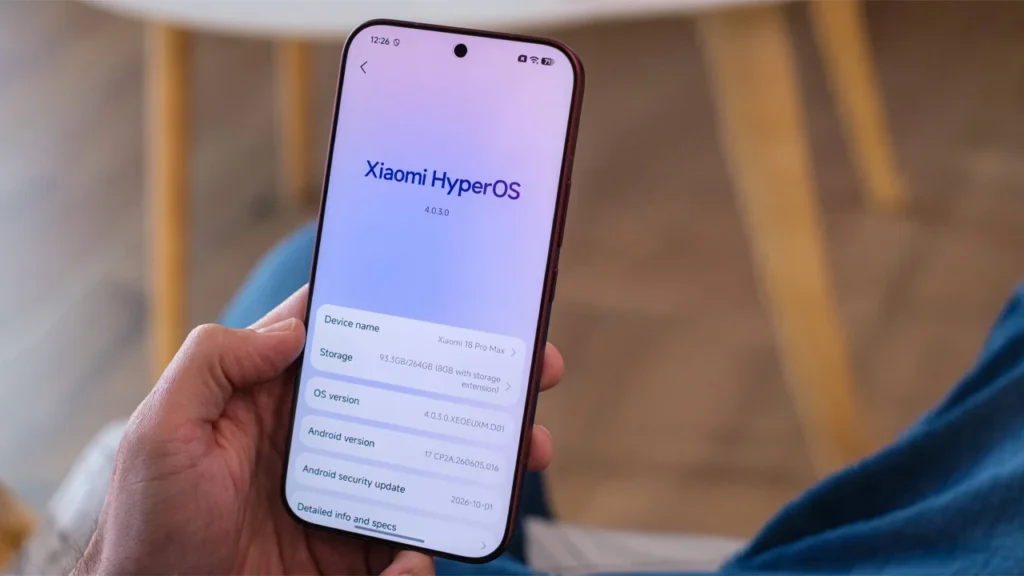
On the software side, both phones run Android 17-based HyperOS 4 out of the box. They also feature a dedicated AI Button, which users can customise for different functions. A short press launches AI Translate Conversation, while holding the button for 0.5 seconds activates AI Voice Note. Google Gemini is also integrated into the system, bringing features such as Gemini Live, Nano Banana image generation, and the Omni video tool.
Camera
The Xiaomi 18 Pro and 18 Pro Max feature a Leica-tuned triple rear camera setup, headlined by a 200MP primary sensor and a 200MP periscope telephoto camera. The main camera uses the Light Fusion 960 sensor with a 1/1.28-inch sensor size, an f/1.67 aperture, a 23mm equivalent focal length, and OIS. Xiaomi says the sensor can preserve more detail in backlit, high-contrast, and low-light conditions. The Pro Max further benefits from LOFIC technology, with Xiaomi claiming a dynamic range of up to 16.2EV.
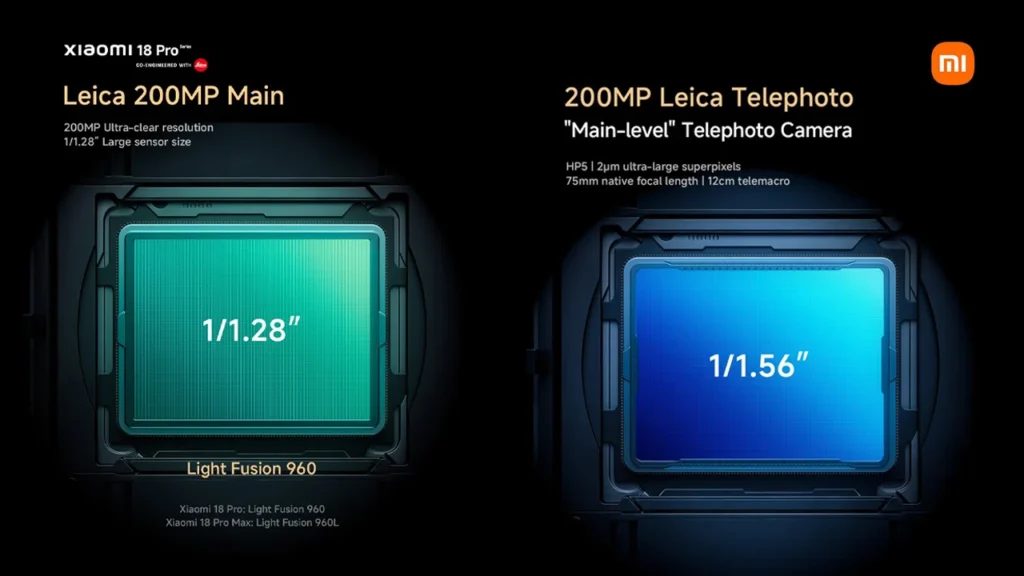
For zoom photography, both smartphones feature a 200MP Samsung HP5 periscope telephoto camera. It offers 3.2x optical zoom with a 75mm equivalent focal length, an f/2.4 aperture, and OIS. Users can also get 6.4x optical-level zoom and up to 12.8x in-sensor zoom. The telephoto camera supports macro photography with a minimum focusing distance of 12cm.
The third camera is a 50MP ultra-wide sensor with a 102-degree field of view, an f/2.4 aperture, and electronic image stabilization (EIS). On the front, the Pro Max features a 50MP selfie camera and supports Open Gate video recording.
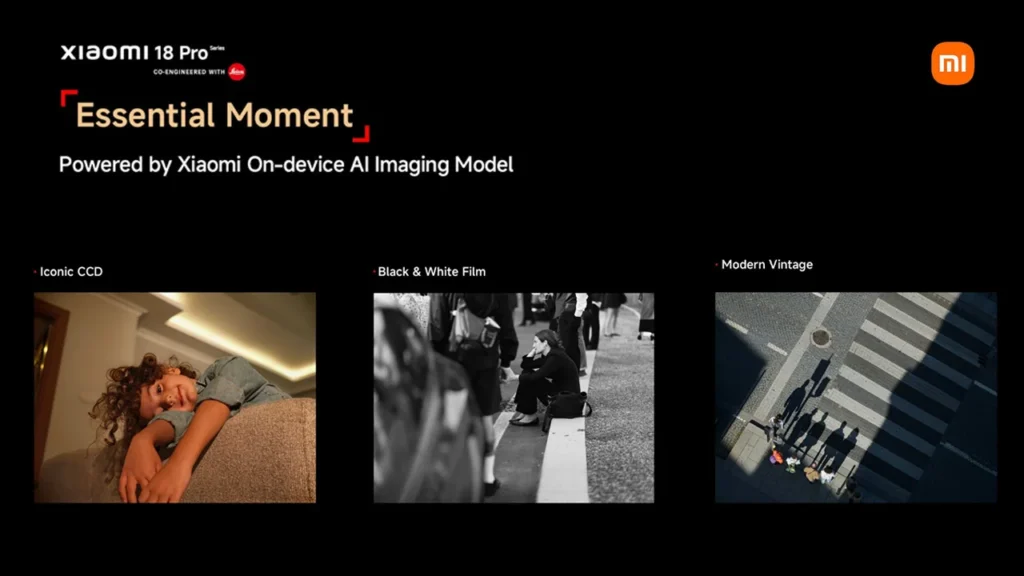
Xiaomi has also introduced several camera software improvements. The Pro’s lens uses a Leica Summilux 1G+6P hybrid design with multiple anti-reflection coatings to reduce ghosting, haze, and glare. The new Leica Portrait mode aims to deliver more natural depth of field, while Essential Moment offers three classic camera styles: Modern Vintage, Iconic CCD, and B&W Film. Users can also apply bokeh effects at 35mm and 75mm focal lengths.
Battery and charging
The global versions of the Xiaomi 18 Pro series come with smaller batteries than their Chinese counterparts. The Xiaomi 18 Pro packs a 6,000mAh silicon-carbon battery, while the Pro Max gets a larger 7,050mAh cell. For comparison, the Chinese versions launched with 7,000mAh and 8,500mAh batteries, respectively.
The Xiaomi 18 Pro supports 90W wired charging and 50W wireless charging. Meanwhile, the Pro Max offers faster 100W wired charging while retaining 50W wireless charging support. Xiaomi claims the Pro’s silicon-carbon battery has 28% silicon content and an energy density of 840Wh/L, providing around 1.52 days of usage.
One thing to note is that Xiaomi does not include a charger in the box. The company recommends using a 100W or higher power adapter, while the wireless charger is also sold separately.
Connectivity and others
Other features include Xiaomi Offline Communication, which allows voice calls over kilometre-long distances without a traditional network connection. However, it requires a SIM card and a Xiaomi account and is not intended for emergency communication. Both phones also feature a larger vibration motor, Wi-Fi 7, Bluetooth 6.0, NFC, an infrared blaster, stereo speakers, and IP68-rated dust and water resistance. The Pro Max additionally gets a 3D ultrasonic fingerprint sensor, UWB, and eSIM support.
Xiaomi 18 Pro and 18 Pro Max Price
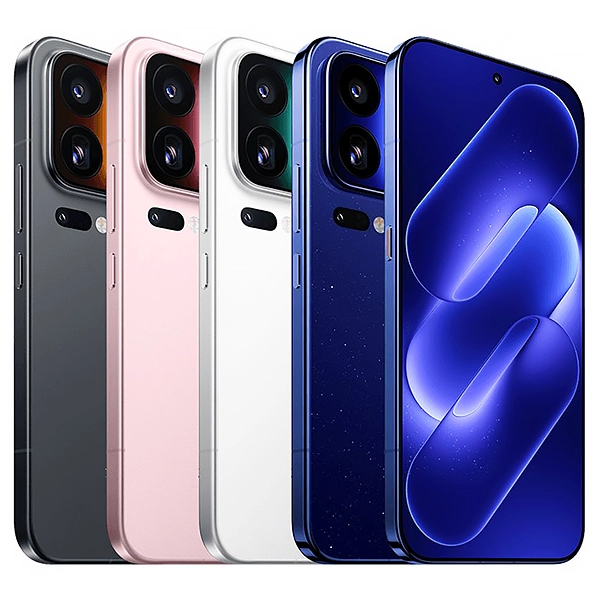
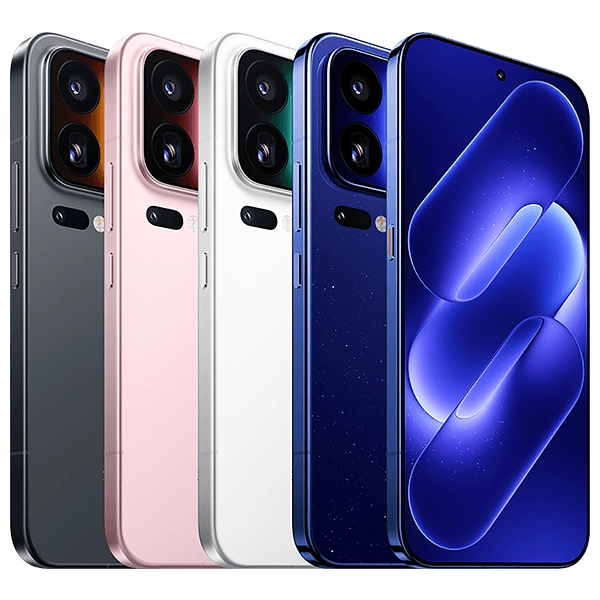
In Europe, the Xiaomi 18 Pro starts at €1,399 for the 12GB RAM and 256GB storage variant. The Xiaomi 18 Pro Max starts at €1,599 for the same memory configuration. They are available in White, Black, Velvet Red, and Cosmic Blue colour options.