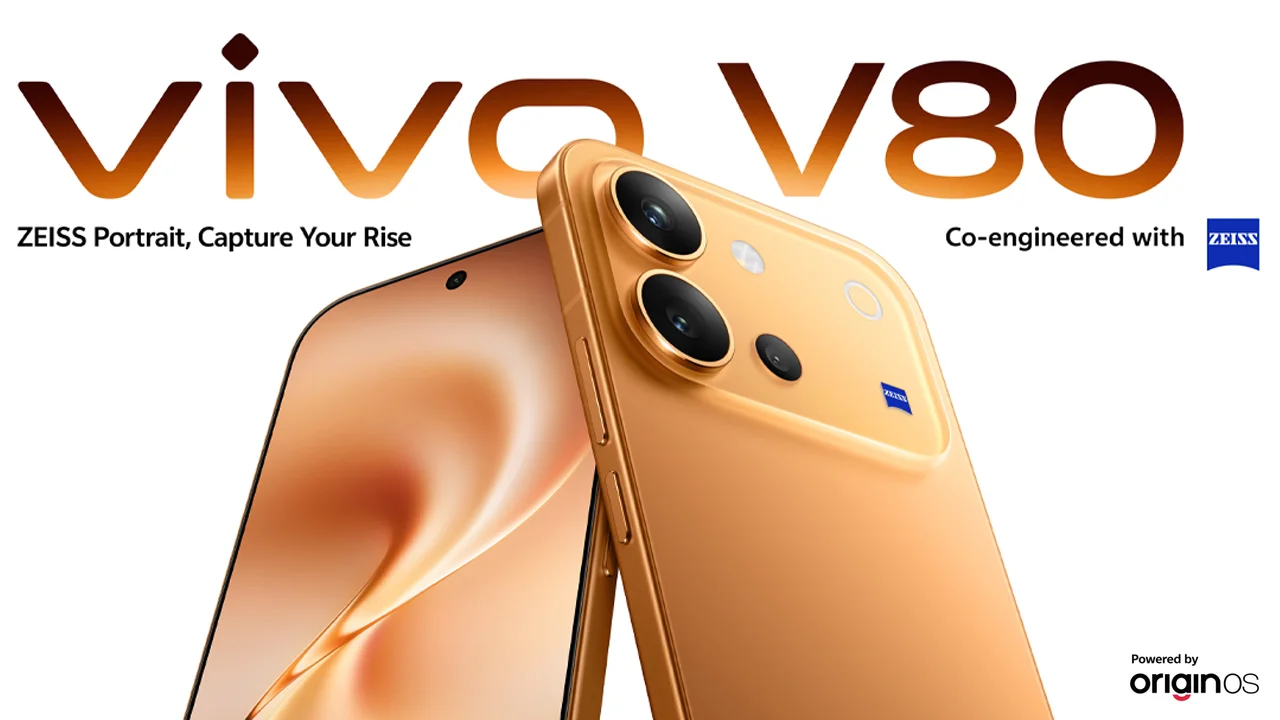
The Vivo V80 has officially arrived in Bangladesh, bringing a ZEISS co-engineered camera setup, a premium design, and a massive battery to the BDT 80,000 price segment. The smartphone highlights a 50MP OIS main camera, a 50MP telephoto sensor with 3x optical zoom, a 144Hz 1.5K AMOLED display, and a 7,200mAh BlueVolt battery with 90W fast charging.
However, the Snapdragon 7 Gen 4 chipset and familiar camera hardware make the overall upgrade less exciting than expected. So, is the Vivo V80 worth its asking price, or are there better alternatives in this budget? Let’s take a closer look at its features, performance, cameras, and overall value for money.
Key highlights:
- A 6.59-inch 144Hz 1.5K AMOLED panel with 5000nits brightness and eye-care support
- ZEISS Co-engineered triple 50MP camera
- A 7,2000mAh bluevolt battery with 90W fast charging
- Snapdragon 7 Gen 4 chipset for everyday performance
- Feature-rich OriginOS 7.
- IP68+IP69 rating
Vivo V80 in-depth review
The Vivo V80 has arrived in Bangladesh in the BDT 80,000 price segment, bringing a flagship-level ZEISS camera setup, a massive battery, and a premium build. Its ZEISS co-engineered 50MP OIS main camera and 50MP telephoto sensor with 3x optical zoom make it a strong choice for photography and videography. The device also packs a 144Hz 1.5K AMOLED display with up to 5,000 nits peak brightness, a Snapdragon 7 Gen 4 chipset, and a massive 7,200mAh BlueVolt battery with 90W fast charging.
| Pros | Cons |
| Excellent 144Hz 1.5K AMOLED display with 5000nits brightness | The 144Hz refresh rate is only available for some handful games |
| Versatile Zeiss triple 50MP cameras | An auxiliary ultra-wide lens |
| Stylish design, IP68/IP69-rated | Unchanged chipset for a third generation, average performance for the price. |
| Feature-rich OriginOS 7 | |
| Massive 7,200mAh battery offers good battery life, with 90W fast charging. |
However, the Vivo V80 is not without a few compromises. The major drawback is its average ultrawide sensor, and no notabel upgrades over its predecessors. It lacks a microSD card slot and a 3.5mm headphone jack, while its USB port is limited to USB 2.0. In this article, we will take a closer look at what the Vivo V80 offers, what you are missing at this price, and whether it is worth considering in the BDT 80,000 segment.
Vivo V80 Design: Premium build and flagship look

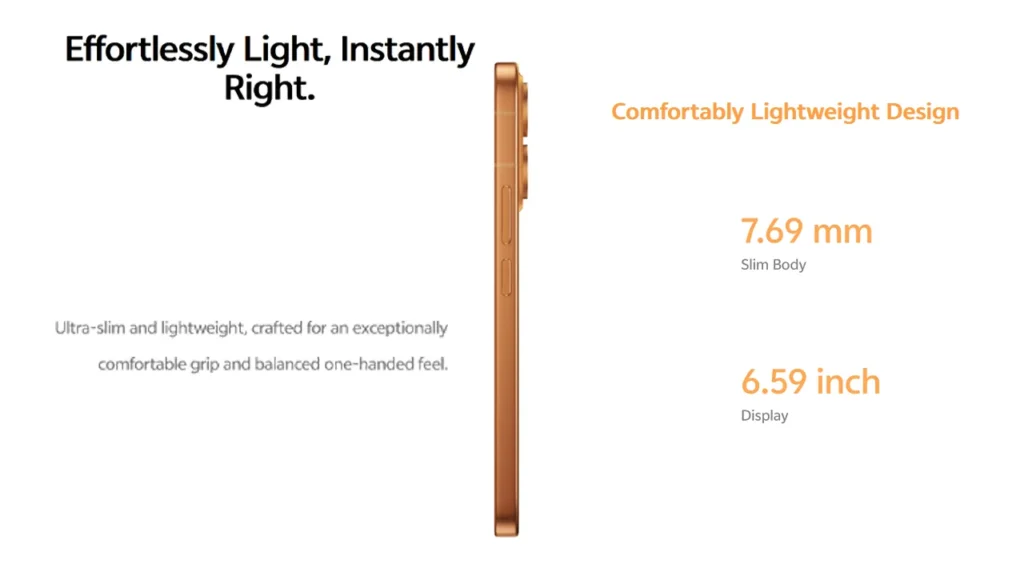
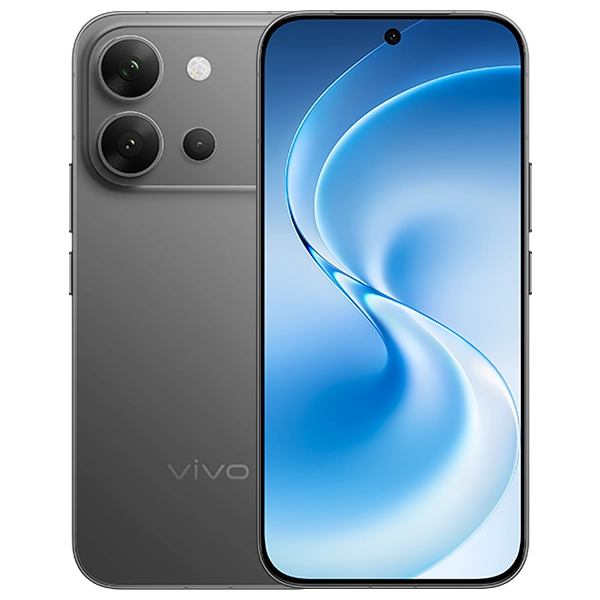
The Vivo V80 comes with a aluminum frame and a glass back panel. Despite having a big battery it is a slim and light smartphone with just 7.69mm and 203g weight. The back panel offers a flagship one-piece cold-carved glass craft with three stylish colors and plain design.
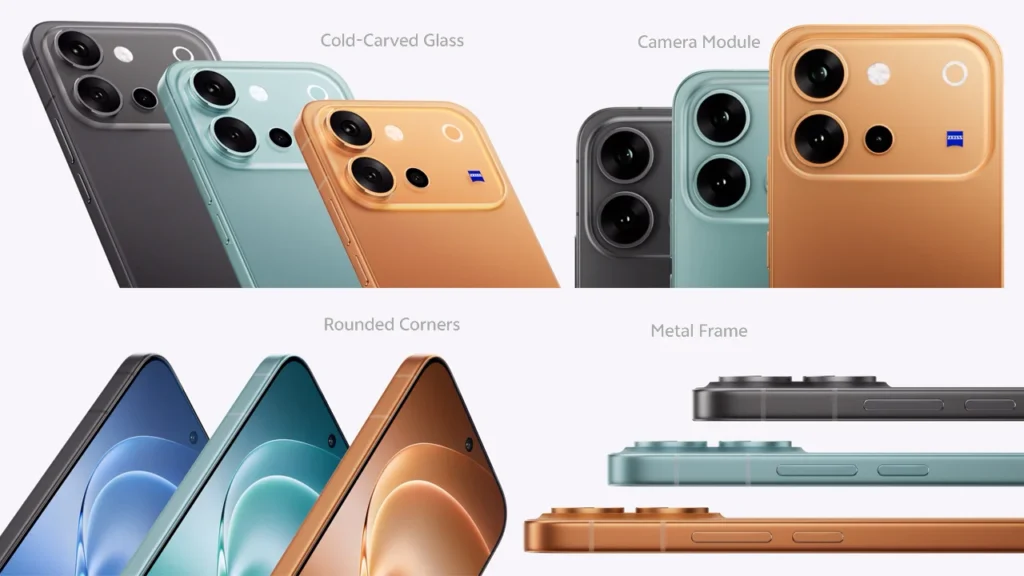
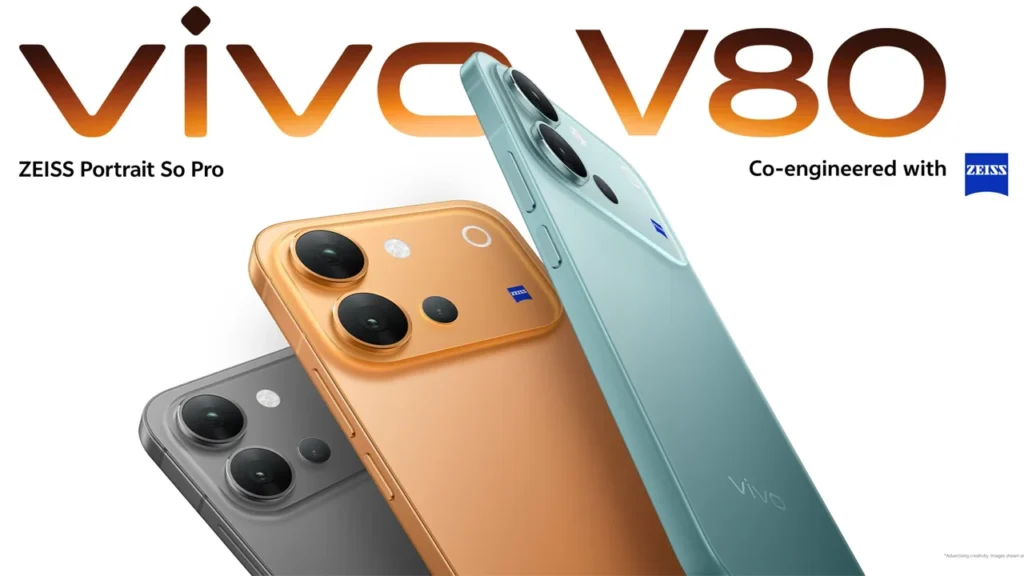
In terms of design, the rear panel offers a floating large camera module housing its triple camera and LED flash. The camera island is decorated with a ZEISS logo and transparent detailing. The rounded corners and flat frame will help users grip it nicely.
The power and volume buttons sit on the right side, making them easy to reach with one hand. Both buttons offer a clicky and tactile feel. The left side remains clean, while the bottom houses the SIM tray, speaker grille, and USB Type-C charging port.
Vivo V80 comes in three stunning colorways: Rise Orange, Vision Green, and Prime Gray. The colors gives the device a stunning look with a bit gradient finish.
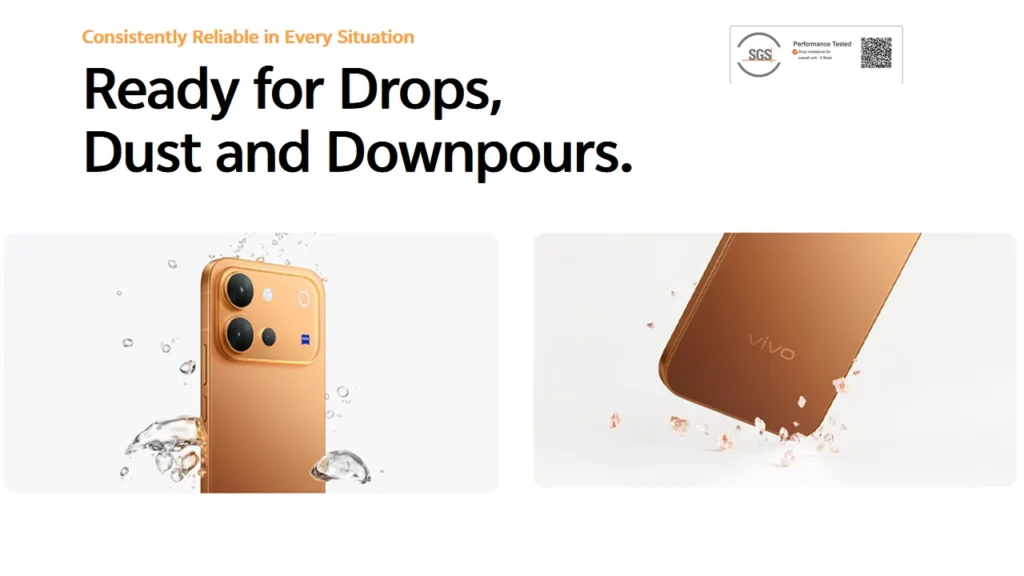
On durability, the Vivo V80 gets IP68 + IP69 ingress protection against dust and water and SGS protection against high fall. The IP ratings enables it to stand strong against everyday water splashes, dust, and make it waterproof with a capability to resist against high pressure water jets and immersible up to 1.5m for 30 min.
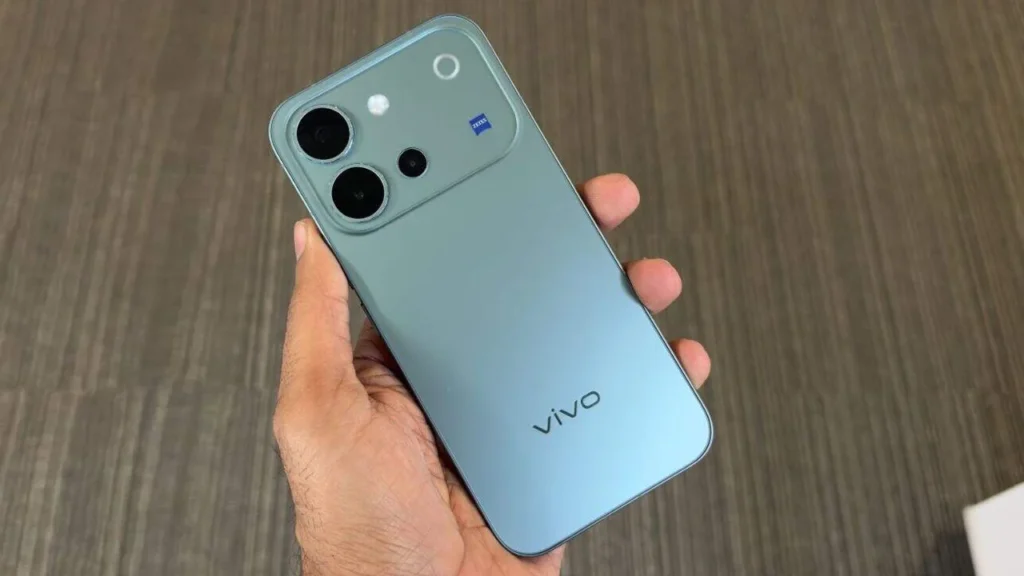
So, the Vivo V80’s stunning looks, glass body in a aluminum frame with round edges, slim build and lightweight make it a good choice for users, who wants a premium design in slim phones.
Vivo V80 display: 144HZ 1.5K AMOLED
The Vivo V80 offers a 6.59-inch 144Hz AMOLED display with a resolution of 2,750 x 1,260 pixels and 1.25mm slim bezels. The 144Hz refresh rate will make your scrolling, browsing, and watching smooth, while the 1.5K resolution willl provide ultra-clear visuals. This display also offers 5000 nits peak brightness and 4320Hz PWM dimming. The 5000nits peak brightness makes it ultra clear in sunlight, while the 4320PWM dimming offers gentle night time eye protection visuals.
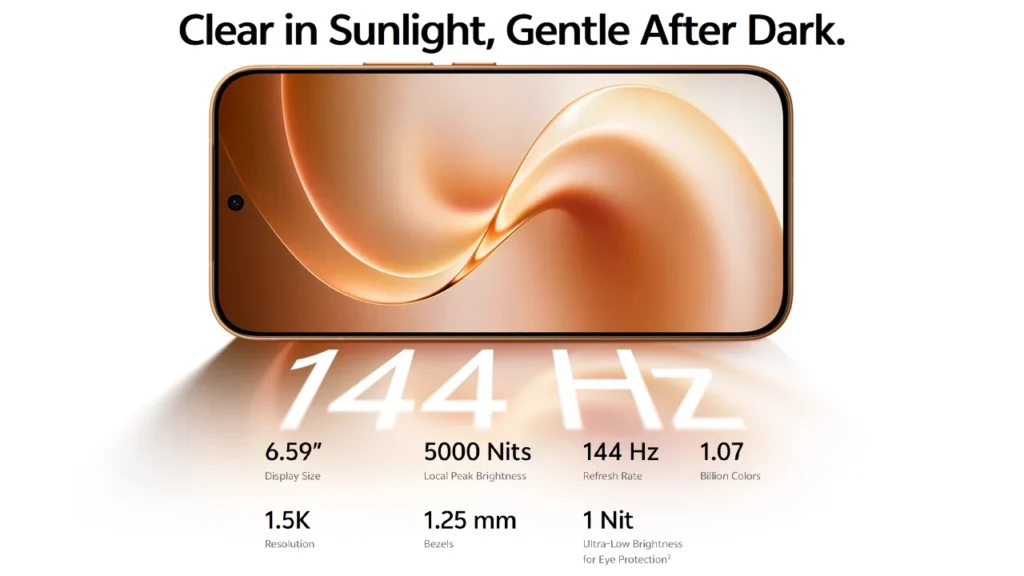
So, in sum the Vivo V80 offers a ultra-bright display with clear outdoor visibility, clear visuals with impressive resolution, and gentle eye-protection. However, the 144Hz refresh rate is only available for some handful games in the Vivo V80, and mostly operates at 120Hz which is not that much promising at this budget segment.
Vivo V80 Performance: No major upgrades
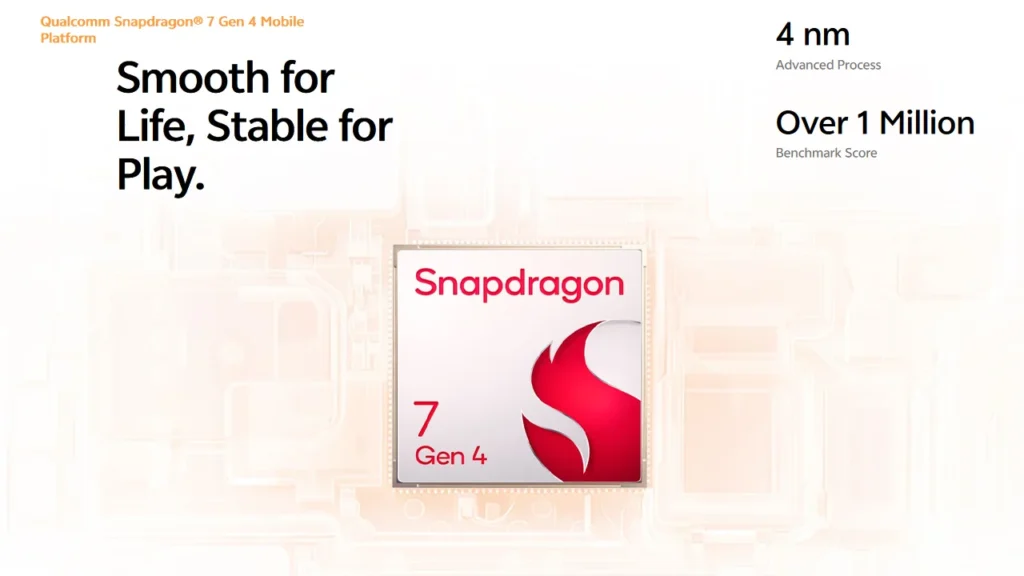
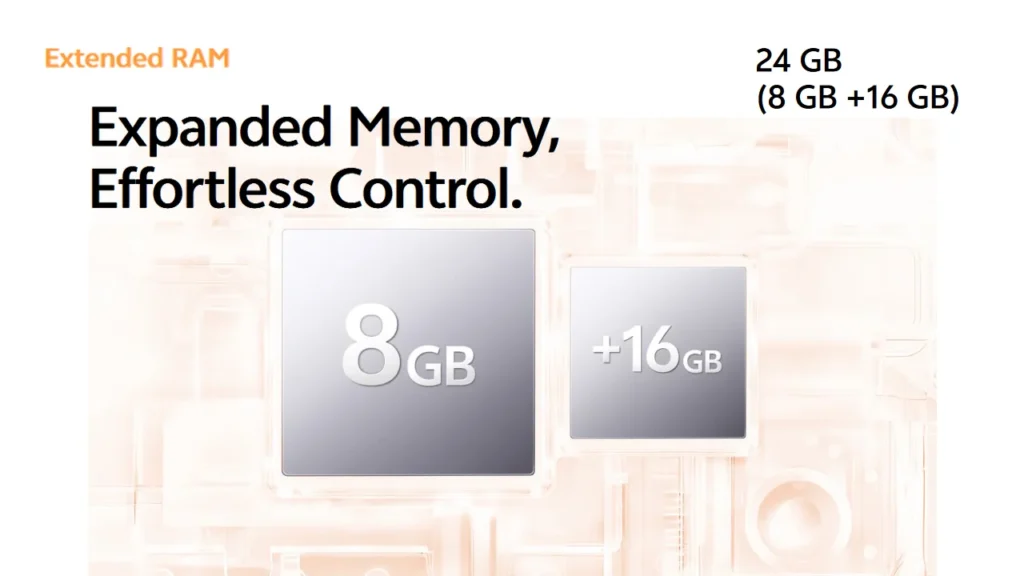
Under the hood, the Vivo V80 is powered by Snapdragon 7 Gen 4 chipset, paired with LPDDR4X RAM and UFS 3.1 storage. This device comes with 8GM of RAM and 128GB/256GB of internal storage with no extra memory slot. The RAM can be upgraded upto 24GB with the help of 16GB of virtual RAM support.
The 4nm Snapdragon processor can handle everyday tasks and gaming smoothly. Messaging, browsing, checking email, scrolling through Instagram, and switching between your most-used apps will not be the major issue with this processor. Heavy games are also playable with this chipset but users shouldn’t expect top level smooth and lag free performance from the Vivo V80.
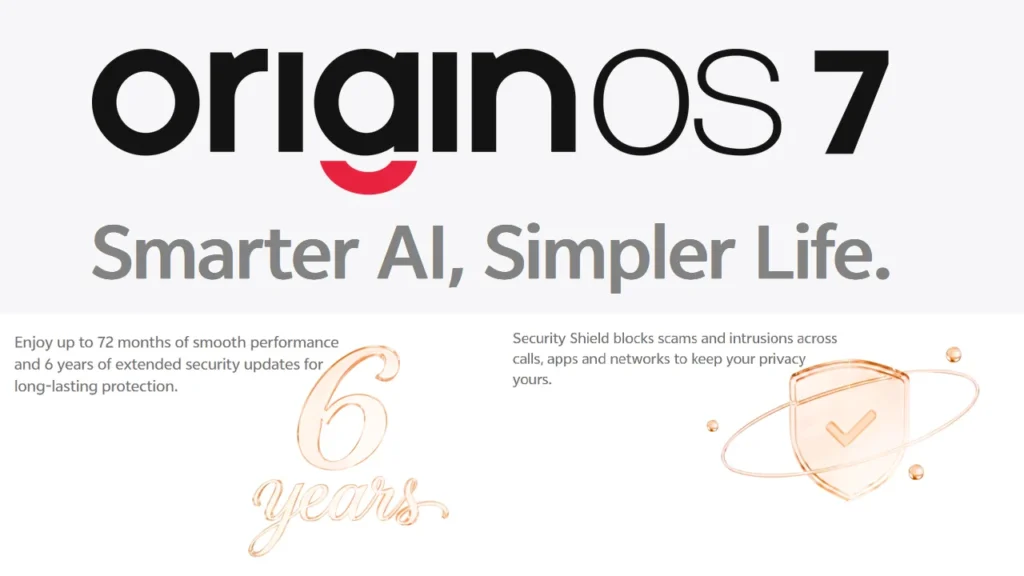
For software, It runs Android 17 with OriginOS 7. The OriginOS 7 brings a slightly different visual identity compared to its predecessor, along with plenty of customization options. Users can personalize the lock screen, app icons, widgets, and Control Centre to match their preferences. It also includes several personalization and productivity tools, alongside AI-powered features for creative tasks. Vivo promises up to 72 months of smooth performance and 6 years of security updates, ensuring a longer software lifespan and better protection.
So, if you’re looking for pro level performance and heavy gaming, then the Vivo V80 won’t be able to satisfy you with this mid level processor. Vivo V80 comes with no notable performance upgrade over its predecessor V70. At over BDT 80,000 budget range, the competitors are providing more powerful processors.
Vivo V80 Cameras: ZEISS camera setup
Vivo’s V series is particularly known for its camera performance. However, the Vivo V80 retains the same camera hardware as its predecessor, despite arriving with a notable price hike.
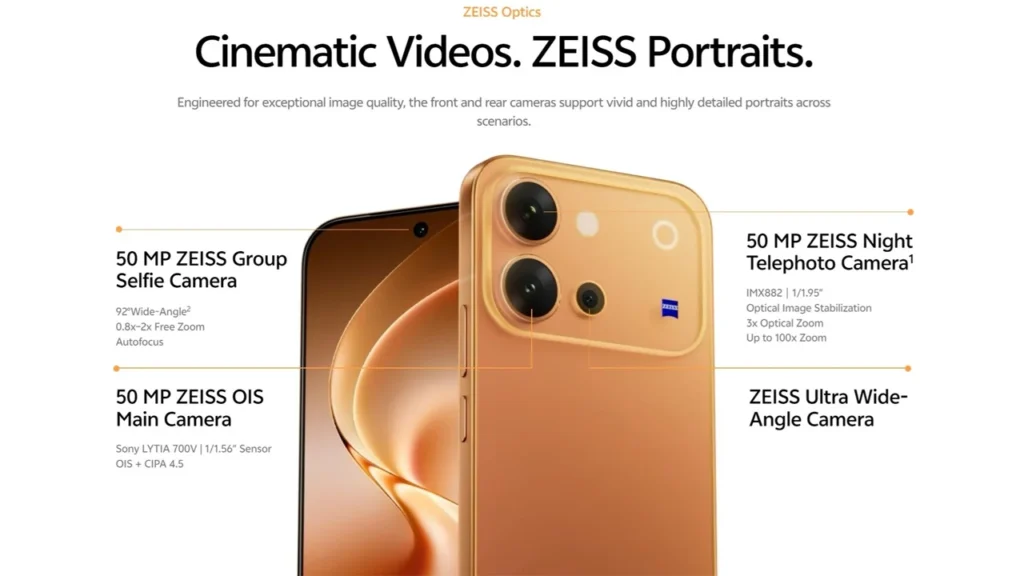
The Vivo V80 features a ZEISS co-engineered triple-camera setup, including a 50MP OIS main camera, a 50MP telephoto sensor with 3x optical zoom, and an 8MP ultra-wide unit. The main camera captures detailed images with punchy colors and good contrast in daylight, while the telephoto camera offers up to 10x digital zoom for portraits and distant subjects.
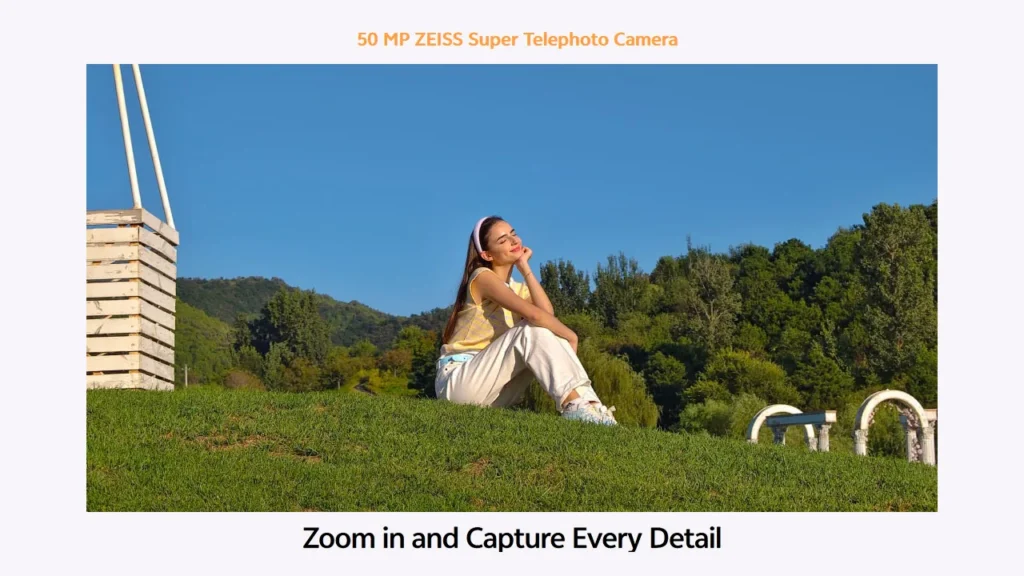
The phone also offers ZEISS portrait options at 85mm and 100mm focal lengths. The 85mm option keeps more of the surroundings in the frame, while ZEISS Bokeh naturally separates the subject from the background. Meanwhile, the 100mm option brings distant subjects closer and creates a more striking portrait with natural background blur.
However, the 8MP ultra-wide sensor remains the weakest link, as it cannot match the detail of the other cameras. Fine textures often look softer, particularly in low-light conditions.
On the front, the Vivo V80 packs a 50MP ZEISS selfie camera with a 92° field of view, allowing users to fit more people into a single frame while optimizing facial expressions.

The camera experience also gets AI-powered features, including AI Creative Camera for enhanced lighting and atmosphere, and AI Retouch to erase objects, expand frames, and improve clarity. Both front and rear cameras support up to 4K video recording at 60fps, making it a capable option for videography as well.
Overall, the ZEISS camera setup remains one of the Vivo V80’s key selling points. However, carrying over the Vivo V70’s camera hardware at a higher price makes the upgrade less compelling in terms of value for money. A better ultra-wide sensor could have made it a stronger contender in this price segment.
Vivo V80 battery: most notable upgrade
Vivo V80 comes with a massive 7,200mAh battery which is a huge upgrade over its predecessors. The massive battery easily lasts a day and a half with casual everyday use. Even with moderate use, plus photography and light gaming, it should last a full day.
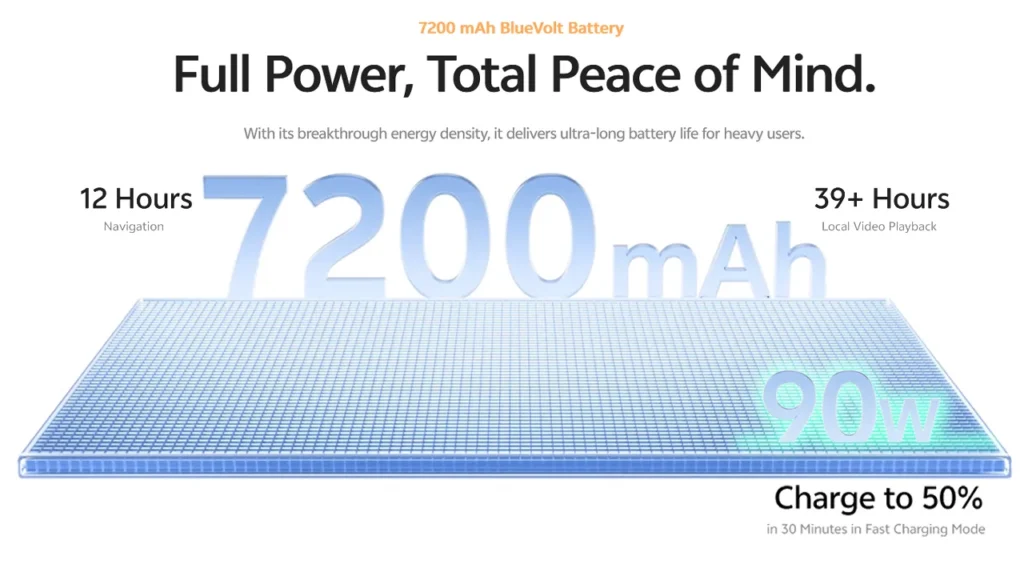
90W flash charging support rapidly fuels your phone back to life, giving you the power you need when you need it most. The battery can charge up to 50 percent in just 30minutes, which can provide you the power for all day use. So, the Vivo V80 battery and charging makes it a good choice for heavy users, who needs a long battery life in a single charge.
Connectivity and Others
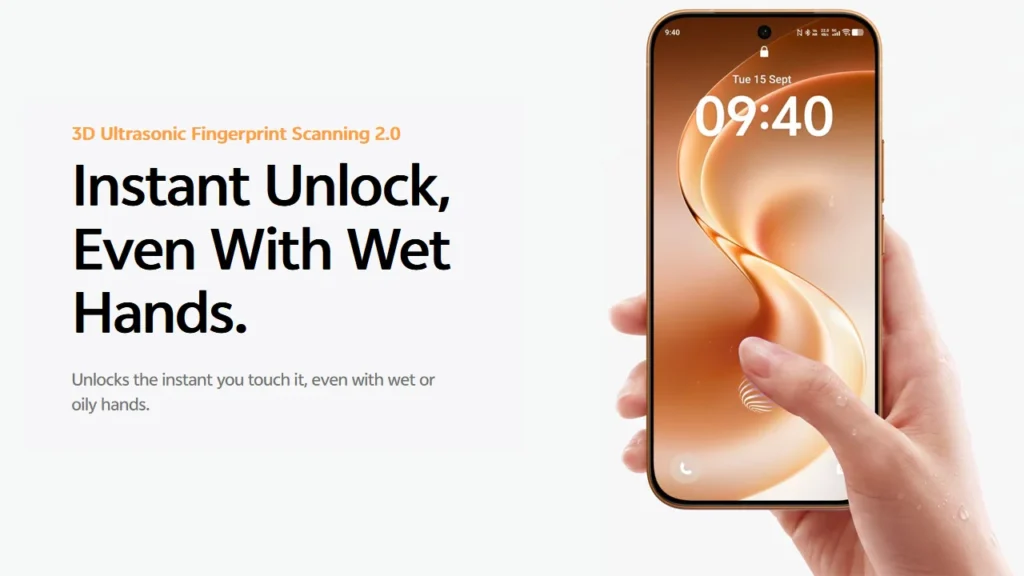
For network and connectivity, the Vivo V80 comes with 5G network, Dual SIM, eSIM support, WiFi 2.4 GHz/5GHz, BT 5.4, USB 2.0, X-Axis Linear Motor and NFC support. The Vivo V80 offers a fast ultrasonic in-display fingerprint sensor for security also. The company offers 100GB of cloud storage free for six months with the Google One Standard Plan.
Vivo V80 Box Contents
The Vivo V80 retail box includes the following items:
- Vivo V80 smartphone
- Quick Start Guide
- USB Cable
- Charger
- SIM Eject Tool
- Protective Phone Case
- Warranty Card
Vivo V80 Price and Availability in Bangladesh
Vivo V80 arrives in Bangladesh in two storage configurations: 8GB/128GB and 8GB/256GB. The 8GB/128GB model is available at BDT. 79,999+ VAT AND THE 8GB/256GB variant costs BDT. 89,999+ VAT officially.
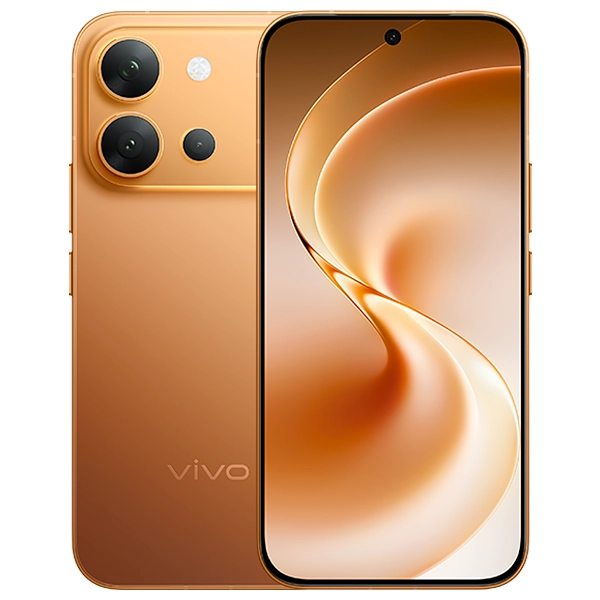
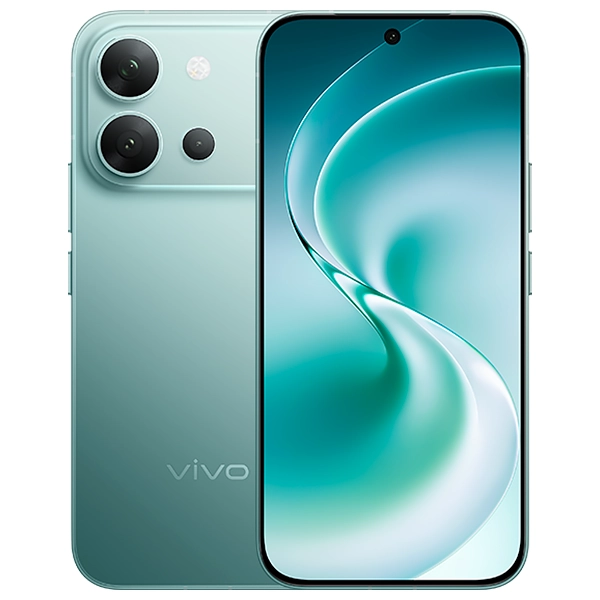
You can get unofficial Indian variant also in Bangladesh in 8GB/256GB, and 8GB/512GB models. The unofficial models are available at BDT 76,000 and BDT 82,000 respectively.
If you’re willing to buy the Vivo V80, then go for the official one. The unofficial options are generally not warrantied officially and after-sales services are hard to find. So, if you want to pick the unofficial variants, then find reputable sellers.
Vivo V80 verdict: Is it worth buying?
The Vivo V80 brings a premium design, ultra-bright AMOLED display, flagship-level ZEISS camera experience, and a massive battery. The 7,200mAh BlueVolt battery with 90W fast charging is its most notable upgrade, while the 50MP main and telephoto cameras make it a good choice for photography and videography. The OriginOS 7 also offers plenty of customization options and useful AI features.
However, the Vivo V80 comes with several compromises at this price. It retains the same camera hardware as the Vivo V70, while the Snapdragon 7 Gen 4 chipset doesn’t bring any notable performance upgrade. The 144Hz refresh rate is also limited to a handful of supported games, and the 8MP ultra-wide sensor feels disappointing in this budget segment. On top of that, the lack of a microSD card slot and USB 2.0 connectivity makes the overall package less attractive.
So, if you’re looking for a smartphone with a premium build, excellent photography, a bright display, and long battery life, the Vivo V80 can be a good option. However, at around BDT 80,000, it doesn’t offer enough upgrades to justify its higher price. Vivo could have provided a more powerful chipset and a better ultra-wide camera to make it a stronger contender. If performance and value for money are your priorities, you should also consider its alternatives before making a purchase.
-
-
-
-